“The strongest online safety tool isn’t an app. It’s a child who feels safe telling their parent the truth.”
I see this at home, and I see this through my work with Kids PlaySafer. Across workshops and conversations with parents, children and youth volunteers in Singapore, the same moment keeps coming up. One child puts it simply:
“If I show my parents, I get scolded. So sometimes I don’t show.”
That pause matters. It is the moment a child decides whether to speak or stay silent. This is where safety really begins. Not in the device itself, but in the emotional climate around it.
When we ask children what helps them feel safe online, they rarely mention settings or controls. They talk about being heard, being included and not being laughed at or spoken to harshly.
Why “Sneaky” is an opportunity for connection
Most parents recognise this moment instantly, we “catch” our children on a prohibited site or using a device late at night, our heart rate spikes. The natural instinct is a “tech-shutdown” – anger, confiscation, or shame. “Didn’t we agree?” From parent’s point of view, this is discipline, from a child’s point of view, the lesson is “Next time, I’ll just hide it better.”
But if we pause, we can ask a more important question: What was the screen providing in that moment? How we respond when we are surprised, frustrated or tired often determines what happens next. If a child expects a harsh reaction every time they make a digital mistake, they will eventually stop coming to you when things get truly scary.
“Sneaky screen use” is rarely a sign of a “bad kid”, it is almost always a symptom of a human need. Perhaps they needed to feel the comfort of a friend after a hard school day, or they lacked the impulse control to stop.
Biologically, a child’s “braking system” – the prefrontal cortex, is still under construction. They are navigating a high-speed digital highway with a Ferrari engine but bicycle brakes. When we understand this, we move from being the “IT Police” to being the supportive guide they need until their own internal hardware matures.
Kindness in these moments isn’t about being “soft”; it’s about looking past the rule-breaking to find the child.
When inappropriate content isn’t just about content
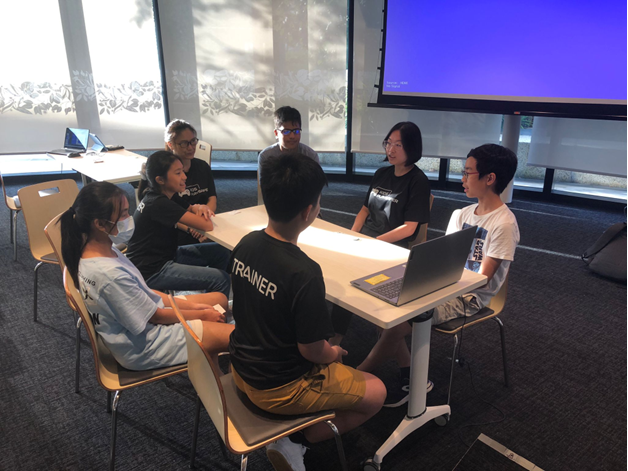
When children encounter inappropriate content, parents often assume intent. In reality, many first exposures are accidental – a video auto-plays, a message is forwarded, or a group chat spirals. What matters most in those moments is whether we slow down enough to understand what is really happening.
When adults listen first, a different story often emerges. One child explained why they stayed online: “If I leave, Ryan won’t jio me to play anymore.”
Another said: “Jenny posted photos with the group. I just wanted to see where they went.”
What looks like rule-breaking is often about belonging, fear of exclusion, or not wanting to disappoint friends. The screen is rarely the full story. This is why, in our work at Kids PlaySafer, we apply Active Mediation (talking, mentoring and co-navigating). Unlike simply banning access, this approach prepares the child for the digital world rather than just protecting them from it.
We keep the baseline simple. We ask three questions: Is it kind? Is it respectful? Is it safe? If something feels wrong, the guidance is straightforward – Stop. Do not pass it on. Tell a trusted adult.
That final step, the telling, depends entirely on the “Safety Bridge” we have built at home. Calmer response like “Thank you for telling me,” or “Let’s figure out what to do next together” keep that bridge strong.
The power of alternatives
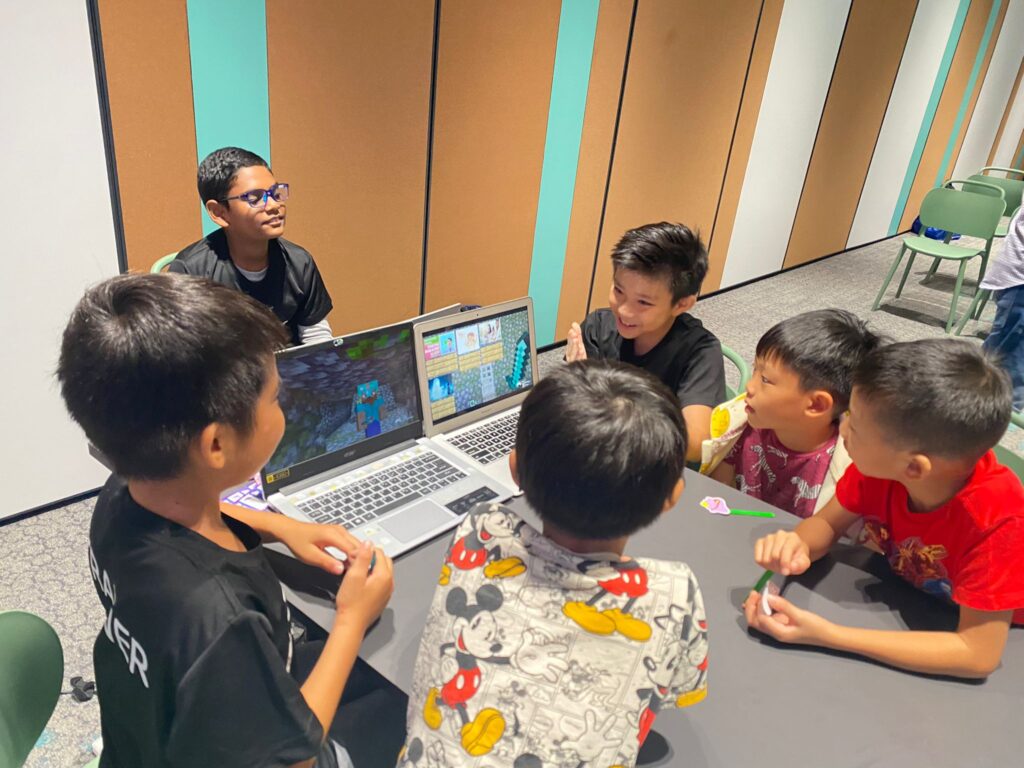
Screens are rarely the problem. More often, they are a symptom. What many children lack is not discipline, but alternatives – coping tools that work for them, structure that feels fair, and space to negotiate their needs without fear.
When something is completely banned, it often becomes the “forbidden fruit.” Strict, shame based bans tend to produce impulsive, secretive behavior, not self-regulation. A more effective shift is to move away from policing access and towards understanding intention.
“What were you needing in that moment?”
“Were you stressed, tired, or trying to unwind?”
When parents help children name the need behind the behaviour, children begin to learn to manage those needs themselves. Boundaries still matter but they don’t require disappointment in our tone or shame in our words. When the message shifts from “You are the problem” to “We are solving the problem together,” children learn responsibility without fear.
A kinder, safer digital culture begins at home
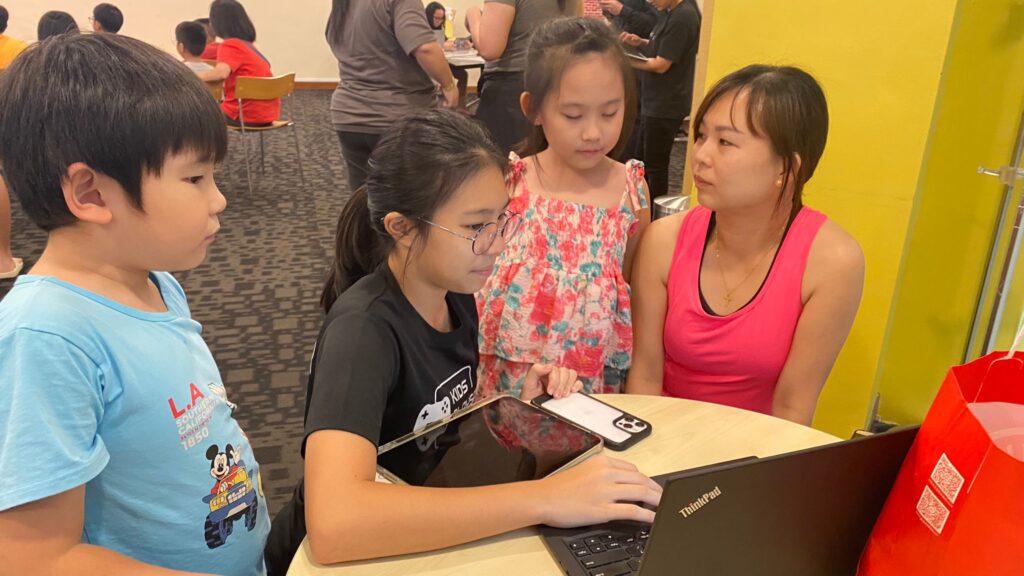
In workshops, children are direct about why they stay silent:
“I’m scared to tell my parents because they get angry first.”
“I hide things because I don’t want to disappoint them.”
“My parent doesn’t know. They don’t ask.”
If every interaction feels like enforcement, children learn to hide. Children who feel guided learn to take responsibility.
Around the world, governments are responding to online harm with new safeguards, from Australia’s recent moves to Singapore’s upcoming Online Safety Commission. These measures matter, and they signal an important commitment by policymakers and ministry partners to protect children. But policy alone cannot shape how a child responds in the moments that matter most, when they feel excluded, pressured, or unsure of what to do next.
This is where families play the defining role. What children carry with them is not just the rules, but what they have learned at home. How to pause. How to speak up. How to step away when something feels wrong. Over time, these everyday interactions build agency, the ability to act with integrity even when no one is watching.
And that is a form of safety no app can provide.
To learn more about their school programmes and parent workshops, visit www.kidsplaysafer.sg or follow the community on Instagram @kidsplaysafer or email sandra@kidsplaysafer.sg.
Explore these Kindsville resources to nurture kindness through meaningful family time:
- Kindness Calendar : Simple daily prompts that help children practise respectful words and actions.
- Kindness Thank-You Cards: An activity that encourages children to reflect and express appreciation through thoughtful words.
- Kindsville Animation Series: Watch animated stories that help children learn respect, empathy and kindness.
Share your thoughts with us