One morning at a kopi stall, during one of our volunteer breakfast runs, a six-year-old boy named Brandon tried to cut the queue.
The adults around him stepped in quickly. They wanted to teach him manners, to wait his turn, to be fair. I gently pulled him aside, ready to do the same.
Before I could say anything, he looked up at me and said: “I’m afraid the ah-ma would be hungry.”
I paused.
To the adults, Brandon was cutting the queue. To Brandon, he was trying to make sure someone did not go without breakfast. In that moment, I realized how quickly I had judged his behavior, without understanding his intention.
Most children today don’t naturally interact with people outside their usual circles. Their lives are shaped around home, school, and activities. They don’t often cross paths with elderly neighbours, cleaners, or community workers. Not because they don’t care, but because these interactions are no longer part of their everyday lives.
Kindness beyond the home does not grow through instruction alone, it grows through encounter. At The Volunteer Switchboard, we see this each time children volunteer alongside adults, not just observing but participating.
They greet seniors. They help prepare and serve meals. They learn to wait, to notice, to listen. And over time, something begins to take shape.
Clarence first volunteered with me when he was nine years old, delivering groceries to seniors at Home Sweet Home. Back then, he was quiet and reserved, just another child accompanying adults.
This year, Clarence turns seventeen.
Today, he brings his friends to volunteer. He facilitates others, guiding them on how to engage seniors with respect and patience. He notices who might need extra help and quietly encourages others to step in.
His WhatsApp header has not changed since he was nine years old. It still reads simply: “Always trying my best to help the poor.” No one told him to write that. It grew from years of showing up, serving, and learning to lead by example, guided by a lot of heart.

Then there is Sage.
She joined us at ten, though she had already been volunteering from a young age. When she started with Silver Moments, she didn’t just follow along. She came with ideas, small activities she wanted to try, questions she could ask, ways to get the seniors talking.
Some worked. Some didn’t. But she paid attention. She adjusted, tried again, and kept coming back.
Today, what stands out is not just how often she volunteers, but how she responds to what she notices, who might feel left out, who needs encouragement, who risks being unseen. When asked why she volunteers, she said, “I don’t want old people to be left alone and unnoticed.”
I grew up watching my mother extend kindness beyond our home, to neighbours, helpers, elders, and even strangers. Not occasionally, but consistently. Seeing children practice the same reminds me that what is lived in front of us is often what we learn to live out.
Over the years, this has become clearer to me. Children do not need to be convinced to care. But they do need guidance to shape that care into the right actions. When they are given the opportunity to be around people outside their usual world, they begin to notice things they might not have seen before.
They notice hunger. They notice loneliness. They notice when someone needs a bit more time. And with guidance, they learn how to respond in ways that are simple, but meaningful.
I once asked a kindergarten-aged volunteer what his superpower was. He thought for a moment and said with a big cheeky smile, “Smile.” He didn’t know the full impact of what he was doing. But he knew it mattered.
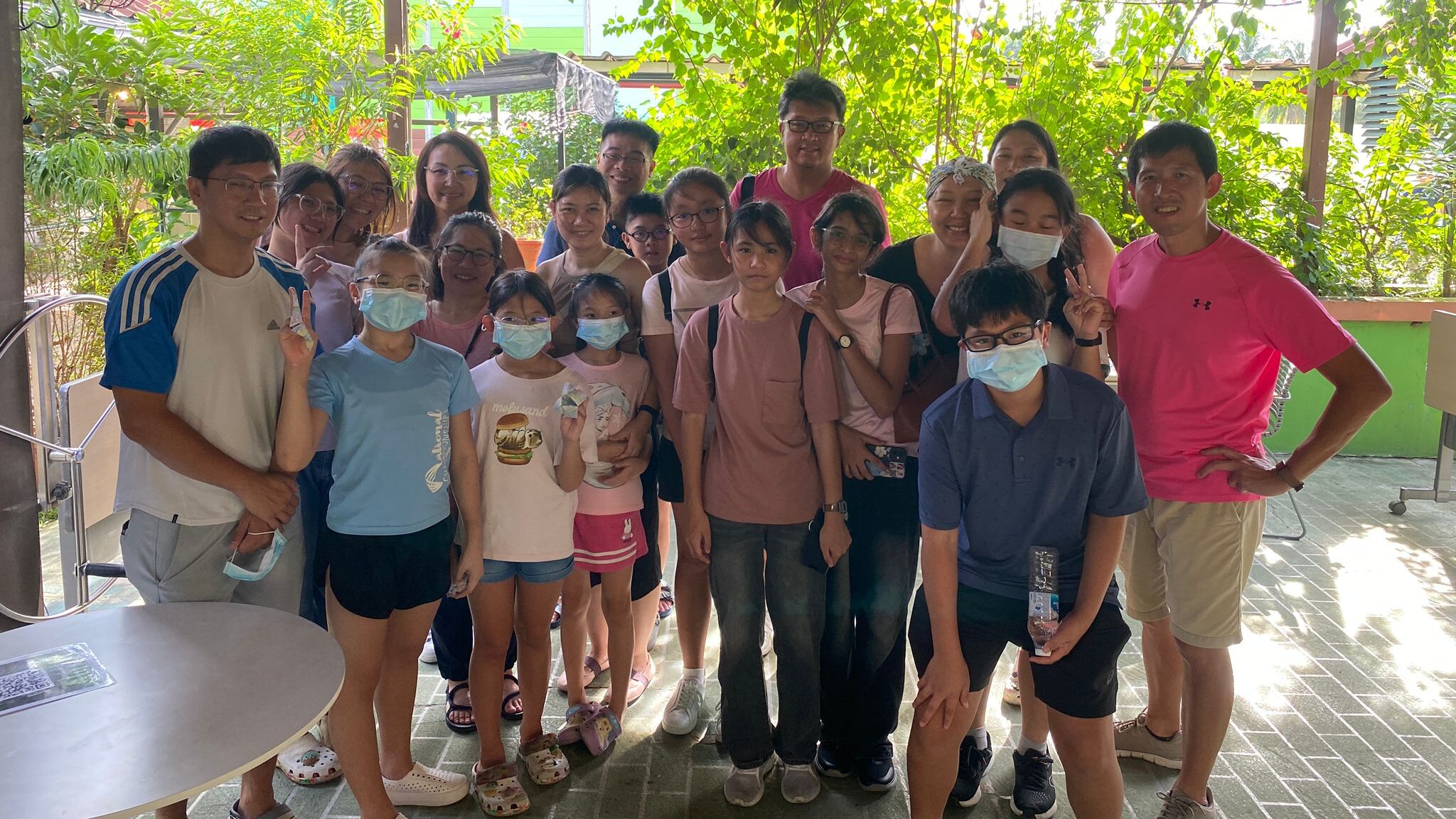
If we want children to care about people beyond their own homes, neighbours, helpers, the elderly, community workers, we need to give them the chance to meet them. Not just to see, but to act. And to be guided along the way.
For parents, this does not have to start with something big. It can be as simple as bringing your child along when you greet an elderly neighbour. Letting them pass a drink to someone who is working. Helping them notice, and helping them respond.
Because when children are given the chance to practise kindness beyond the home, they don’t just learn empathy, they learn how to turn intention into meaningful action.
And sometimes, like Brandon at the kopi stall, they remind us that kindness is often already there. We just need to learn how to see it, and help shape it into the right actions.
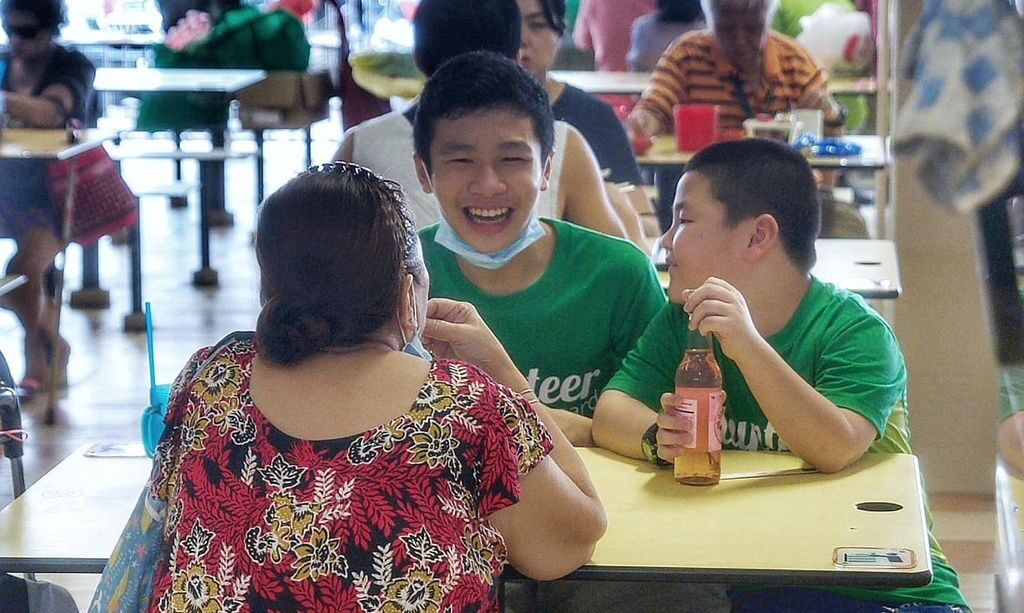
Featured Image: Clarence and Brandon having breakfast with one of the seniors. Image Source: Amalus Barakna
These resources support children in looking out for others, expressing gratitude and reflecting on how small, everyday actions can make a difference in the community.
- The Great Foodie (Season 6, Episode 6)
- Watch together and talk about how looking out for others, waiting patiently and showing care can brighten someone’s day.
- Kindness Thank You Cards
- A meaningful way for children to express appreciation to people they meet in the community, including cleaners, stallholders or volunteers.
- Kindness Calendar
- Use this activity to spot simple opportunities for kindness beyond the home, such as greeting neighbours or caring for shared spaces.
Share your thoughts with us