
Most parents want their children to grow up kind, confident, and respectful. Discipline plays a big part in shaping those qualities. Yet in the heat of the moment, when a child hits, lies, or refuses to listen, shaming words can slip out. Other times, parents may rush in too quickly to fix every problem for their child, hoping to prevent distress or conflict. While these reactions are understandable, they often work against the very values parents hope to instil.
Why Shaming Discipline Backfires
Shame is often mistaken for a teaching tool, but research consistently shows that it undermines learning. When children are disciplined through criticism, labels, or humiliation, they may comply temporarily, but the behaviour is unlikely to change in a lasting way. Worse, repeated shaming can shape how children see themselves.
When parents discipline kindly, they separate who the child is from what the child did. Studies suggest that this distinction is crucial for healthy emotional development (Nikolić et al., 2023). A child who hears “You’re naughty” or “What’s wrong with you?” may internalise the idea that they are inherently bad, rather than understanding that they made a mistake. Shame shifts the focus from learning to self-protection. Children may hide, lie, or shut down instead of reflecting and growing.
Turning Everyday Misbehaviour into Teaching Moments
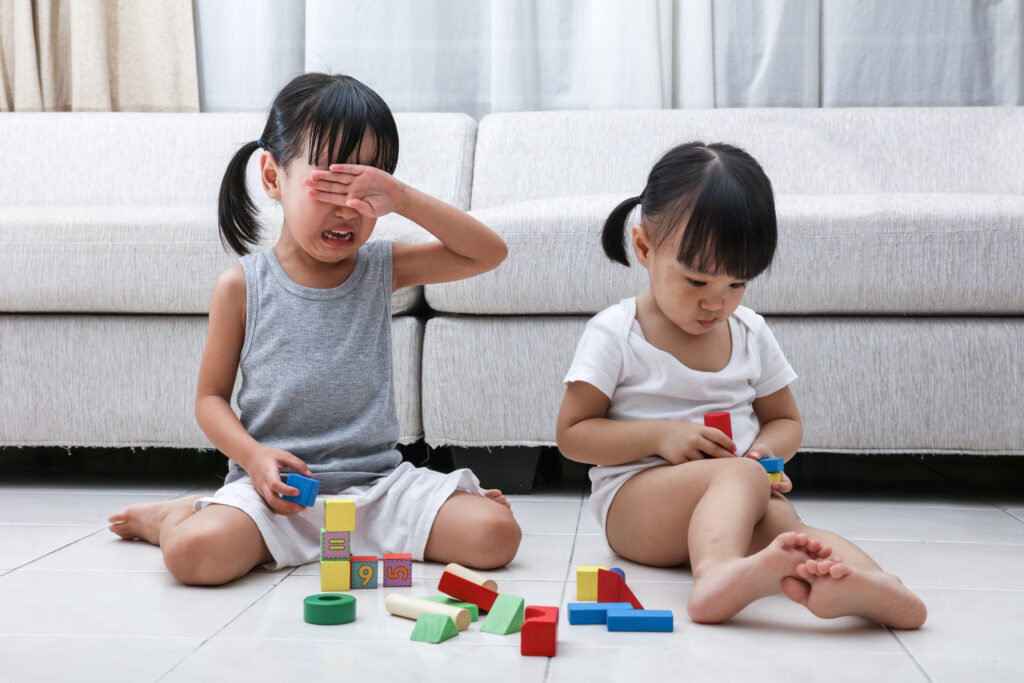
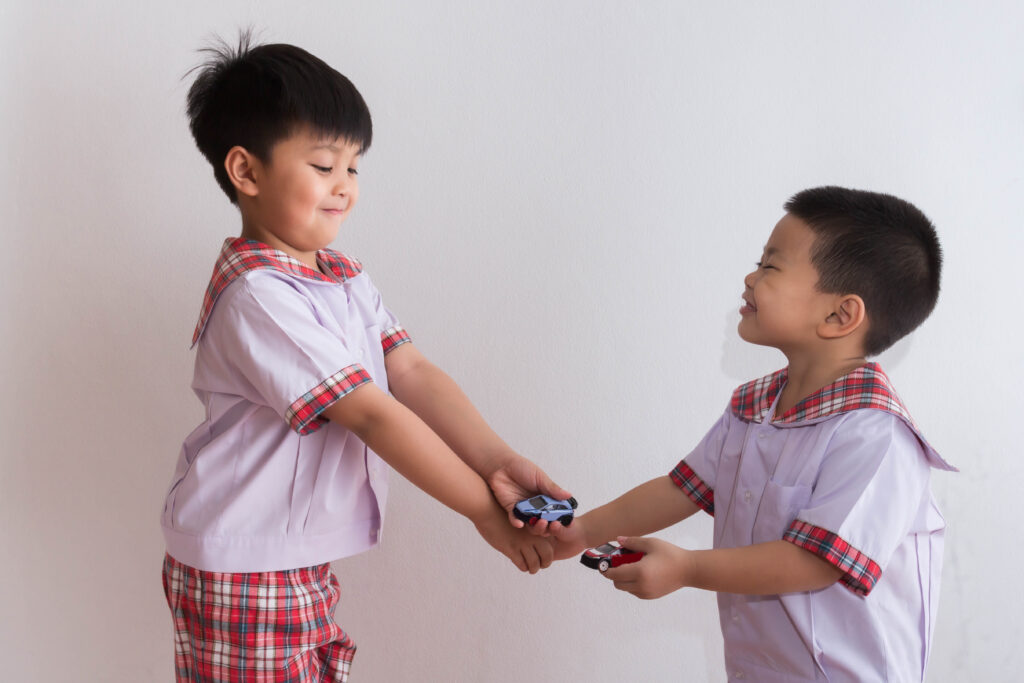
Everyday misbehaviours such as snatching toys, hitting, lying, or refusing to share, are not signs of moral failure. They are opportunities to teach boundaries and skills that children are still developing.
Instead of reacting harshly, parents can slow down and help their child understand what happened, why it is not acceptable, and what could be done differently next time. This approach transforms discipline from punishment into guidance. For example, after a child grabs a toy, a parent might say, “You wanted the toy, but grabbing hurts others. Next time, you can ask for a turn or wait.”
When children feel safe enough to reflect, they are more likely to learn
Boundaries Should Be Clear, Not Scary
Effective boundaries do not need to be loud or frightening. Consistency matters far more than volume. A calm, firm boundary communicates safety and clarity, while harsh commands often escalate fear or defiance.
Instead of saying, “Stop that! What is wrong with you?”, parents can try, “I won’t let you hit. If you’re upset, you can tell me, but hands stay to yourself.” The message is the same, but the delivery protects the child’s dignity while making the limit clear.
Explain the “Why” Behind Rules

Children are more cooperative when they understand the purpose behind rules. Explaining the “why” helps children internalise values rather than simply obey to avoid punishment (Choe et al., 2013).
For example, “You can’t throw toys because they can break and someone can get hurt” teaches empathy and responsibility. Over time, these explanations support moral reasoning where children begin to act safely not because they fear consequences, but because they understand the impact of their actions.
Correct the Behaviour, Not the Child
Kind discipline focuses on what needs fixing, not who needs fixing. When a child spills something on purpose, punishment alone may breed resentment or shame. Involving the child in cleaning up, however, reinforces accountability and problem-solving.
This approach sends a powerful message: mistakes are part of learning, and responsibility means repairing harm, not being labelled as “bad.”
Use Logical Consequences

Harsh punishments or scary language may stop behaviour in the short term, but the underlying issue often returns (Bendel-Stenzel et al., 2023; Choe et al., 2013). Logical consequences, on the other hand, help children connect their actions to outcomes in a meaningful way (Robichaud et al., 2020).
If a child throws a toy, the toy can be put away for a short time. This kind of consequence is directly related, predictable, and fair. Most importantly, it targets the behaviour and not the child. Parents can support this by avoiding phrases such as “Why are you always like this?” or “You’re so naughty.” Instead, clarity helps: “What you did wasn’t okay, but you’re not a bad kid. Let’s fix this together.”
Children are still forming their self-image. Discipline should guide, not define, who they believe themselves to be.
Allow Children to Practise Handling Situations
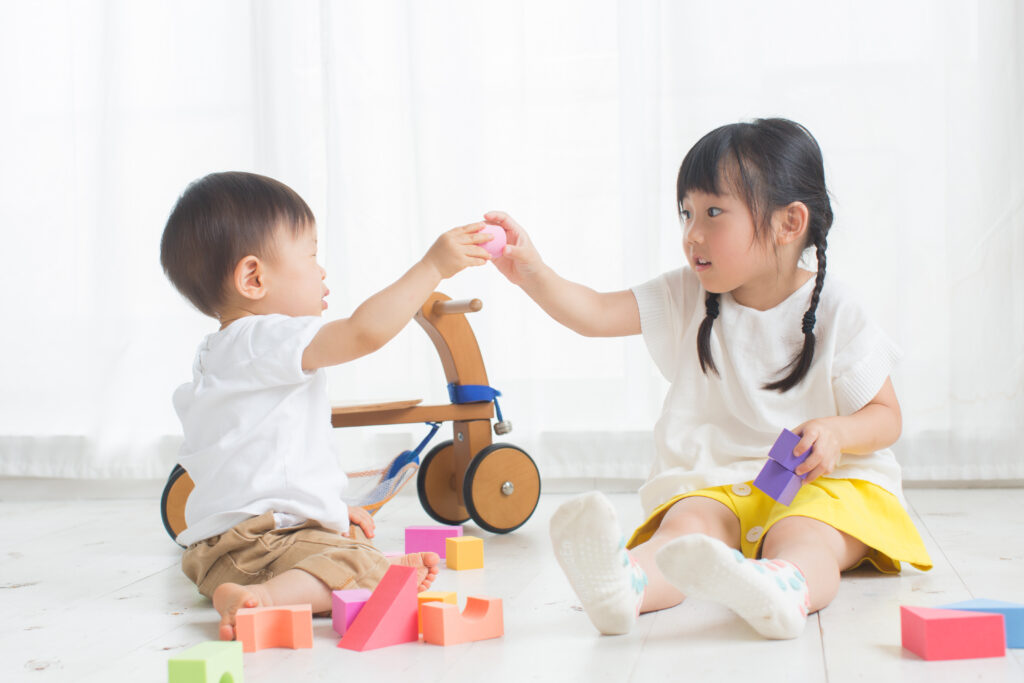
Children need space to practise regulating emotions and solving problems on their own. When parents jump in too quickly, whether during sibling conflicts or everyday frustrations, children miss opportunities to build these skills.
At home, as with peers, stepping back (when it is safe to do so) allows children to try, fail, and try again. Gentle coaching after the fact is often more effective than constant correction in the moment.
Model the Behaviour You Want to See
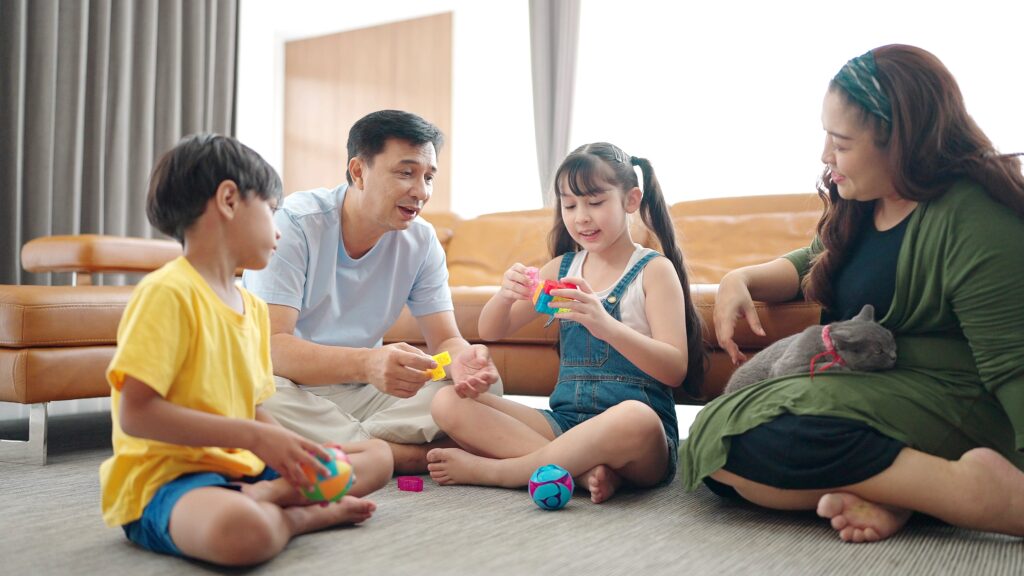
Children watch far more than they listen. When they see adults yelling, slamming doors, or reacting impulsively, they learn that those behaviours are acceptable responses to stress.
A gentle discipline approach therefore requires adults to model the emotional regulation they want children to internalise. Staying calm, apologising when necessary, and speaking respectfully, even during conflict, teaches children how to manage big emotions in healthy ways.
A Kinder Approach Creates Stronger Children
Discipline with kindness does not mean permissiveness. Boundaries still exist, and limits are still enforced. The difference lies in how those limits are communicated.
When discipline is rooted in respect, clarity, and empathy, values begin to come from within. Children learn not just what the rules are, but why they matter. Over time, this fosters self-discipline, confidence, and a secure sense of self, qualities that last far beyond childhood.
In reframing discipline with kindness, parents are not lowering expectations. They are raising children who can meet them, without shame.
Practising kind discipline at home
These resources support parents and children in learning how to set boundaries, manage emotions and express respect through everyday moments.
Watch and practise together
An animated story that shows how listening, cooperation and calm responses help resolve conflict without blame or shame.
A simple activity that helps children recognise their strengths and understand how kind choices support positive behaviour.
An activity that encourages children to notice effort, cooperation and care, reinforcing positive behaviour through appreciation.
Share your thoughts with us