As parents, educators, or caregivers, we cherish the tender moments of laughter, curiosity, and wonder that children bring into our lives. Yet, in the most unexpected situations, these little ones could say things that sting.
Words that feel sharp, impatient or downright mean. It is in these moments that many of us feel puzzled, hurt or even angst. Did they mean it? How should I respond? This needs to stop!
The truth is, when children say mean things, it is not just a behavioural hiccup. It is often the most timely teachable moment to harvest respect, empathy and emotional intelligence, that will last well beyond childhood.
At the Singapore Kindness Movement, we often talk about the power of simple acts and everyday kindness, whether it’s inviting a shy child to play or showing appreciation to our frontline staffs. These gestures, no matter how small, are foundations upon which respect and graciousness are built on.
But kindness is not just about the cheery, feel-good moments. It’s also about how we respond when things are not so pleasant, including when our children fail to express themselves politely.
Understanding What Lies Beneath “Mean” Words
Children are continually learning how to navigate their emotions and social relationships. What adults might experience as “meanness” is often a mix of frustration, unmet needs, or an inability to express complex feelings appropriately.
Research has long shown that a child’s brain, particularly the part that regulates emotions, is still developing, which makes emotional regulation and communication challenging. In these moments, the child is not just misbehaving; they are signalling something deeper.
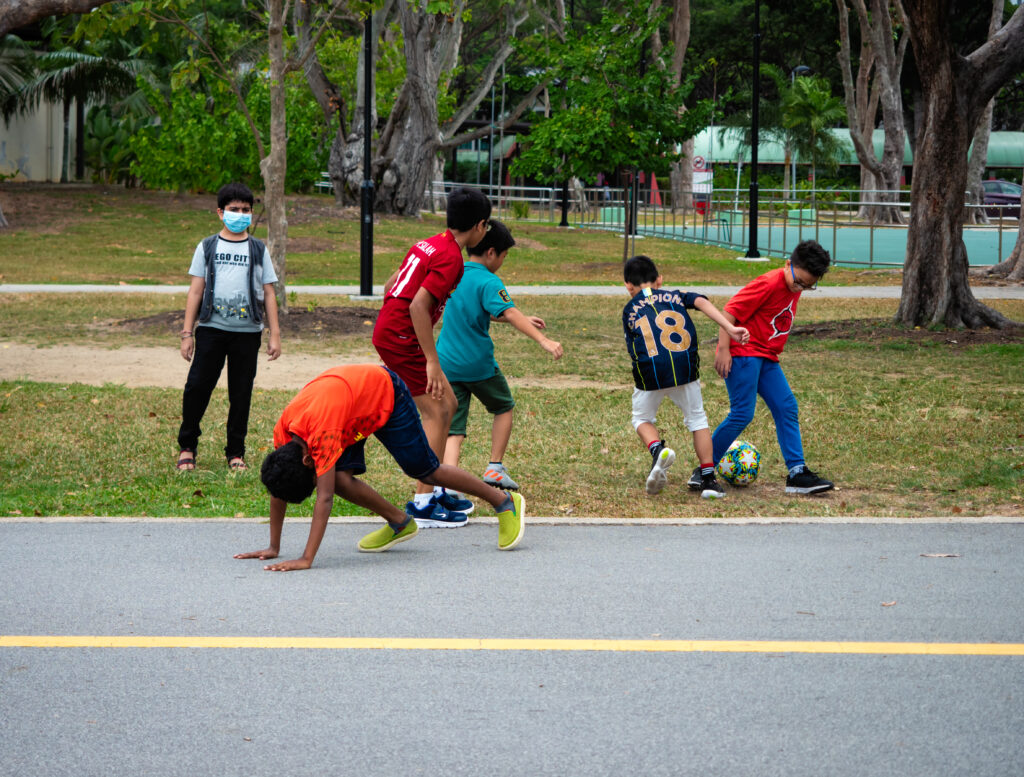
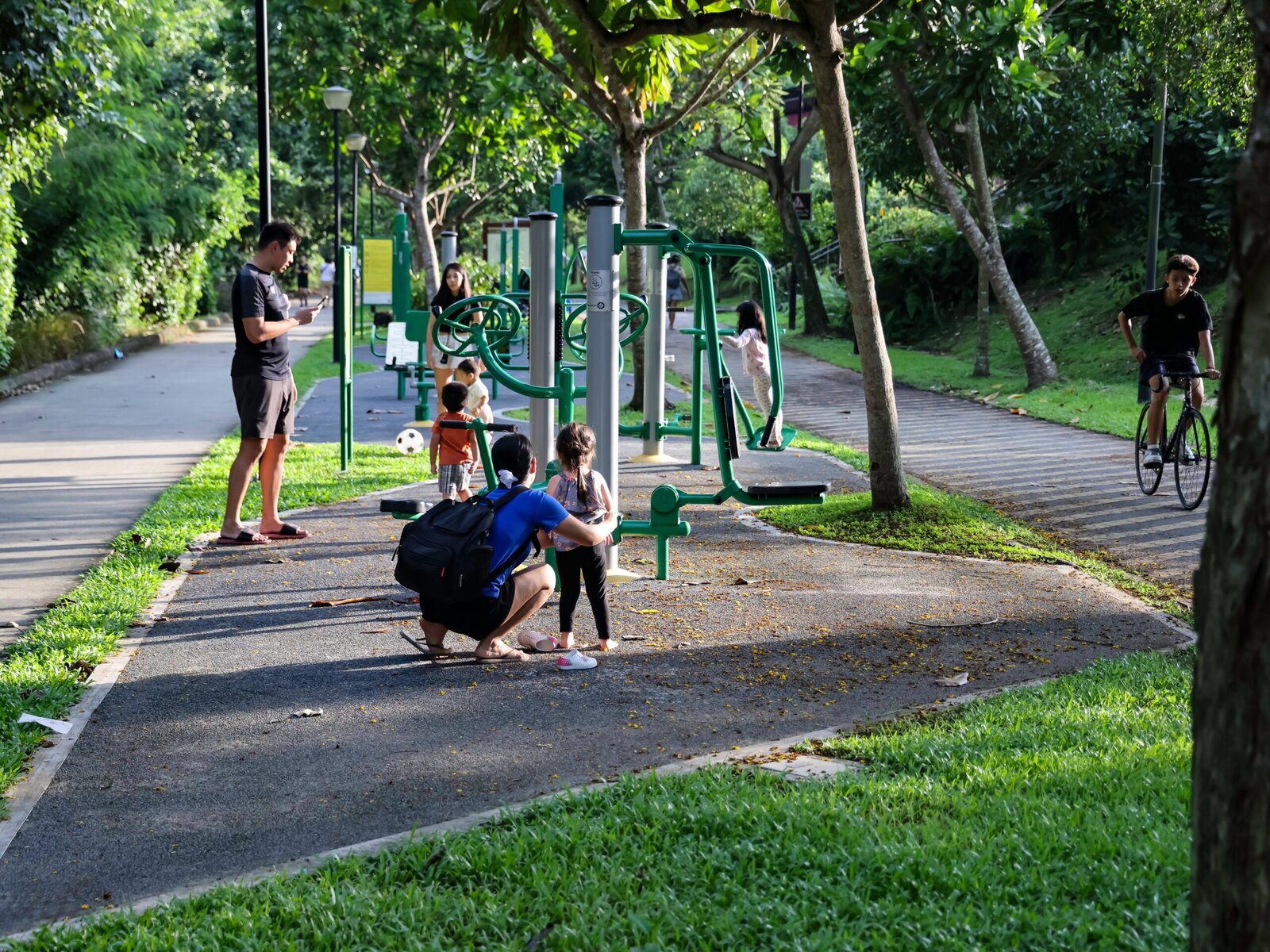
Picture a familiar scene at the neighborhood playground:
Parent: “Times up! Let’s go home.”
Child: “No… Five more minutes!”
Five minutes passed, followed by another round of bargaining. Playtime as always, is never enough. Suddenly, in full view of other parents and caregivers, the child blurts out something unkind.
In the heat (or sweat) of that moment, we would probably have pulled our child away, reach for the proverbial “Asian cane”, or issue dramatic threats that go nowhere. But when a child blurts out something unkind, it’s an invitation to pause and understand what’s happening inside them.
Instead of focusing only on the words, we can pause and gently explore what our children are feeling. You might say something like, “It seems like you’re really upset because playtime ended too soon.. Can you tell me more about how you feel?” or “I know you were having fun, but we need to get ready to go….” This doesn’t excuse the unkind words, but it helps your child feel heard, understand their emotions, and opens the door to learning how to express themselves respectfully.
From Reaction to Reflection: Teaching Respect with Calmness
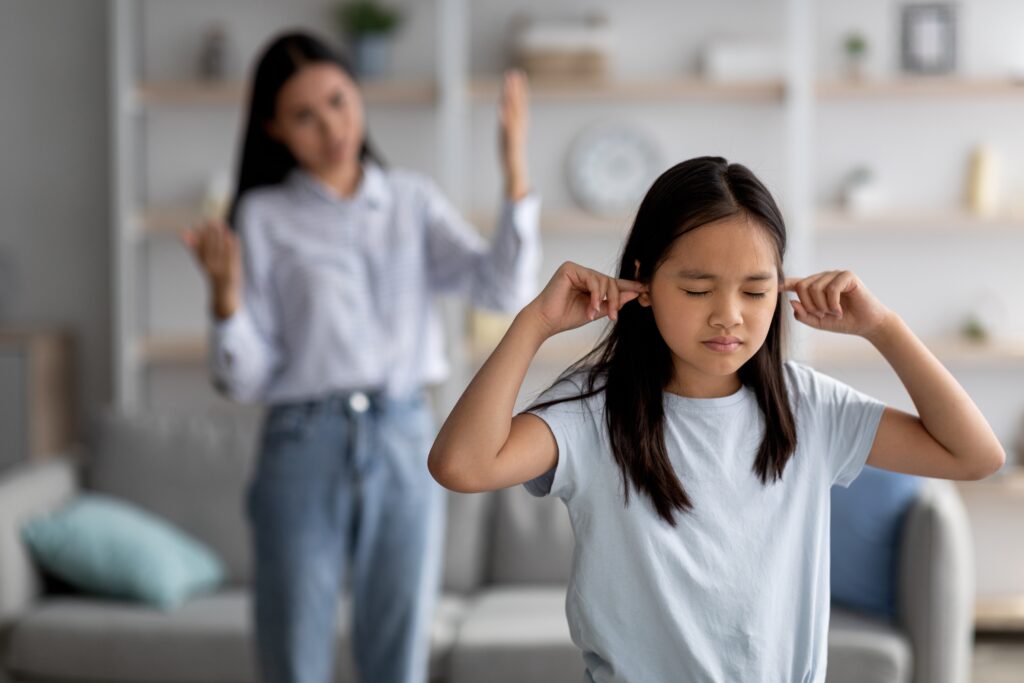
How we respond to children during these moments matters immensely. Reacting with anger or dismissal teaches them that disrespectful language is met with escalation. Instead, staying calm and reflective shows that respect is something we practice even in difficult situations.
Here are some concrete strategies that support respectful growth:
- Focus on the behaviour, not the child.
Focus on the words or actions, not the child’s identity. Saying “That tone was not respectful,” rather than “You are being rude,” helps children separate behaviour from self-worth.
- Invite better ways to express feelings.
Children often need help finding the right language. Popular films like Inside Out – with emotions such as joy, sadness, anger, embarrassment, and anxiety give children a vocabulary to describe what they feel. Providing them with a “script” empowers them with alternatives to unkind words.
- Model respectful conversations.
Children learn far more from what we do than what we say. When we manage disagreements or difficult emotions with patience and respect, we offer them a living template to follow. Like kindness, respect is often “caught” far more easily than it is taught.
- Set gentle but firm boundaries.
Children need clarity. Certain words are not acceptable, and respect is expected of everyone, even during emotional moments. I recall when my elder son once picked up a vulgar word at a bus stop after school.
He returned home delighted, clearly eager to “test” it on me. Remaining calm, I simply said, “This word is not accepted in our house or in our family.”
Attempting to push boundaries, he asked, “When I grow up and start working, can I use it?” I responded calmly, “When you are older, you can decide again whether it is necessary and kind to use it.” The message was clear without shaming or fear.
Turning Words into Life Lessons
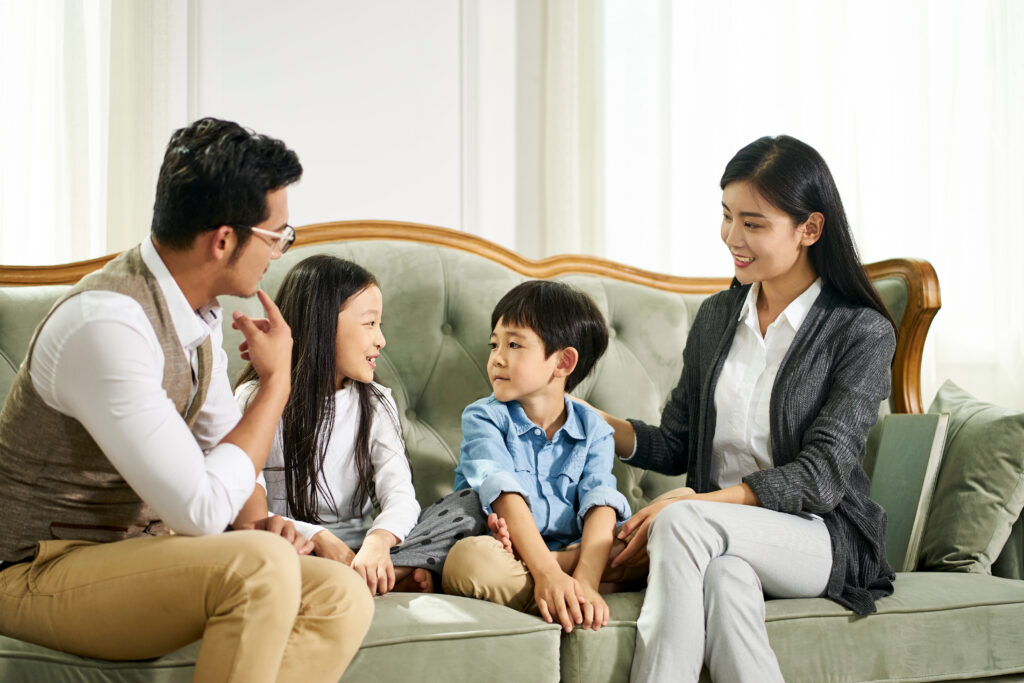
At SKM, we champion kindness as a practice, nurturing it through daily interactions and reinforced through resources like Kindsville, which teaches values such as respect and kindness through play and storytelling. These tools remind us that character development isn’t instant; it’s built through consistent choices and reflection
When children say mean things and we choose to respond with empathy and clarity, we are doing more than correcting behaviour. We are teaching them how to relate to others with dignity.
Respect is not a trait that children are born with, but we can all cultivate it through guiding our young, experiencing it through our daily interactions and reinforcing positive behaviors.
In every “wrong” word uttered, there is a chance to guide a child toward better understanding both themselves and of others. A teachable moment is not a one-off lesson, but a seed planted for lifelong social and emotional learning.
A Reminder for Every Grown-Up
It is easy to feel hurt when a child’s words cut deep. But if we remember that these moments are part of their growth journey, we can hold space for correction without diminishing their sense of worth. In doing so, we model the very respect we wish for them to embody, not through perfection, but through patience, presence, and kindness.
After all, guiding children to communicate with respect helps shape not just their character, but the cohesive society we are building. As we nurture these values in our young ones, we nurture a more gracious and respectful society for all.
Michelle Tay is the Executive Director of Singapore Kindness Movement
Explore these Kindsville resources to nurture kindness through meaningful family time:
- Kindness Calendar : Simple daily prompts that help children practise respectful words and actions.
- Kindness Thank-You Cards: An activity that encourages children to reflect and express appreciation through thoughtful words.
- Kindsville Animation Series: Watch animated stories that help children learn respect, empathy and kindness.
Share your thoughts with us