Known for our good food and rich variety, hawker culture sits at the heart of what we take pride in. But recommending a meal is never just about taste. It quietly shapes crowds, especially in a digital space where reviews are a click away. A single post can fill queues or leave tables empty overnight.
That reality came to light when TikTok creator Lucas Neo, better known as Lucas The Boss, released his Exposing Michelin Hawkers series.
Positioning his content as honest and unbiased, he reviews dishes plainly by assessing their taste profile and whether they are worth the price. By paying for his own meals and refusing sponsorships, he frames his approach as transparent and independent.
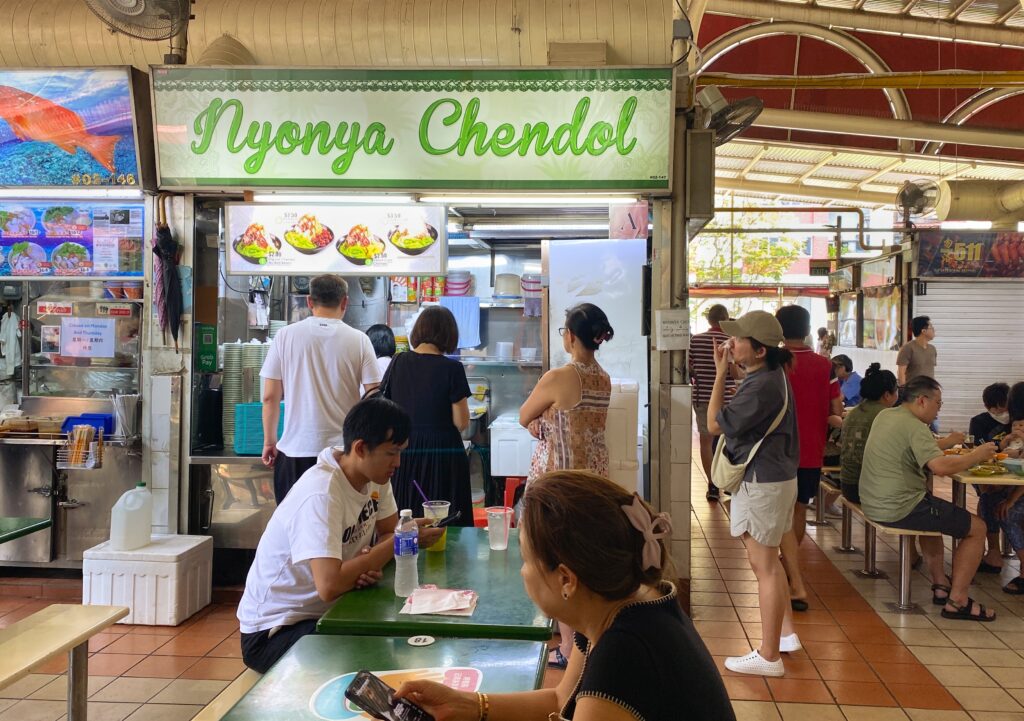
While some viewers welcomed the candour as a break from polished, paid food content, others questioned whether such blunt criticism crossed into public shaming. The debate escalated after his review of Nyonya chendol stall in early October 2025, where he remarked that “no skill” was needed to assemble the dish, adding that even his young daughter could prepare it.
Where Honesty Meets Harm
The comment, while reflecting his unfiltered opinion, sparked a wider conversation about tone and responsibility. Particularly in an industry where reputation and word of mouth often determine survival.
This tension surfaced again when Stomp published an article criticizing Hup Chong Yong Tau Foo in Toa Payoh, a family-run stall that had just announced its closure after decades in operation. The article questioned the stall’s $9.20 pricing and described ingredients as “cheap supermarket vegetables or processed foods,”.
The family called it their “worst Christmas ever.” Critics argued the review lacked empathy and ignored rising operational costs, sparking broader questions about media responsibility when covering struggling heritage businesses.
According to The Straits Times, most F&B outlets that closed in 2025 did not last five years, with 82 per cent never recording a profit. Both incidents highlight how words carry real weight in an industry operating on razor-thin margins.
In practice, Lucas’s reviews have not caused any significant drop in business and while reviews can influence footfall, “to say one negative review can impact a hawker so extremely that they close down is false,” he highlighted in an interview with AsiaOne.
He added that loyal customers will continue to support hawkers they trust. A dish “not approved” by him is simply a matter of personal taste, not a reflection of quality.
The Context Behind Words
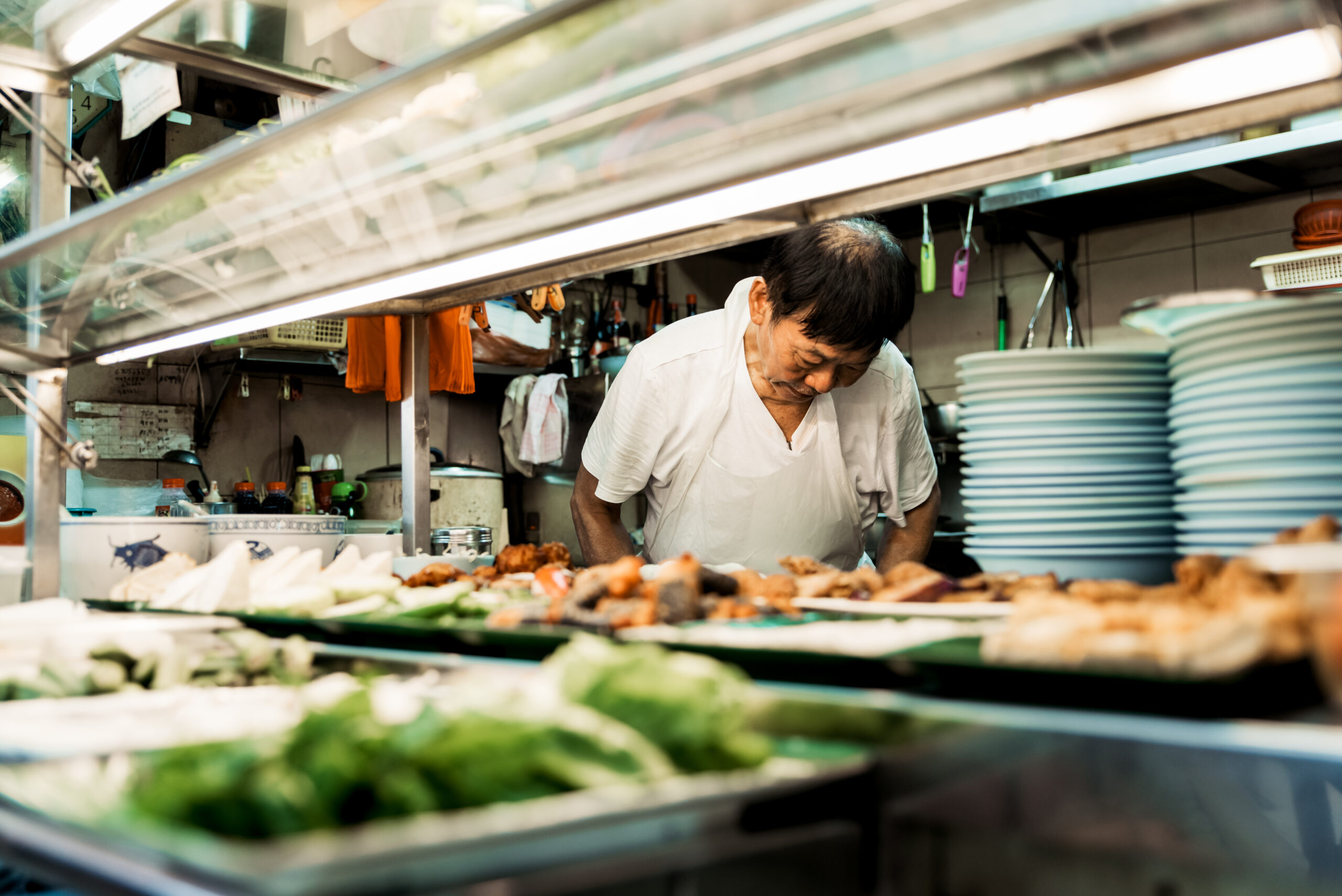
Still, that does not discount the reality behind every hawker stall: long hours, physical strain, and a craft honed over years, sometimes generations. Kelvin from 99 Old Trees stressed that what may look “super simple” to diners is often painstaking work.
Even a seemingly straightforward dish like chendol requires constant stirring, multiple steps and careful attention to achieve the right colour and texture. The Hup Chong family similarly emphasized that their yong tau foo items were handmade, not mass-produced. A distinction the Stomp article failed to acknowledge.
“Small businesses like ours work tirelessly behind the scenes to preserve our hawker culture,” Kelvin said. “What you say does carry weight.”
Such responses highlight the tension at the heart of the conversation. Food criticism sits between a creator’s right to be honest and a hawker’s lived reality.
A single post is no longer just a personal opinion shared over a meal but now shapes the hawker’s morale, pride, and reputation. Being respectful, Kelvin suggests, goes a long way.
Criticism has always been part of food culture, helping diners decide and giving hawkers feedback. But online platforms have changed the stakes. Reels and posts can turn a thoughtful comment into a harsh, absolute judgement seen by thousands.
But that doesn’t mean staying silent.
When sponsored posts and constant praise dominate, reviews lose value if everything is “worth trying.” The real challenge is balancing honesty with kindness, recognising the effort behind every dish while giving an informed opinion.
Speaking With Intentional Care
Anyone with a phone can now occupy the same space once reserved for professional critics, without the same level of accountability. Regardless of audience size, influence carries responsibility.
Everyday creators can take cues from professional standards by being objective. Explain that a dish lacked depth of flavour rather than simply calling it “bad”. Use a balanced approach that acknowledges what worked alongside what could be improved.
Thoughtful participation matters for everyone, from reviewers to everyday diners. A Google review noting that a hawker’s nasi lemak is decent but the sambal is worth the queue can guide without shaming.
It starts with asking before we post: Is this fair? Is this helpful? Would I say this to their face?
Kindness, after all, is honesty delivered with care. This goes beyond any single creator or stall. It’s about whether we can critique honestly while preserving dignity. Both ours and theirs.
Are we pausing long enough to consider how our words will land?
Share your thoughts with us